Circuit Breakers
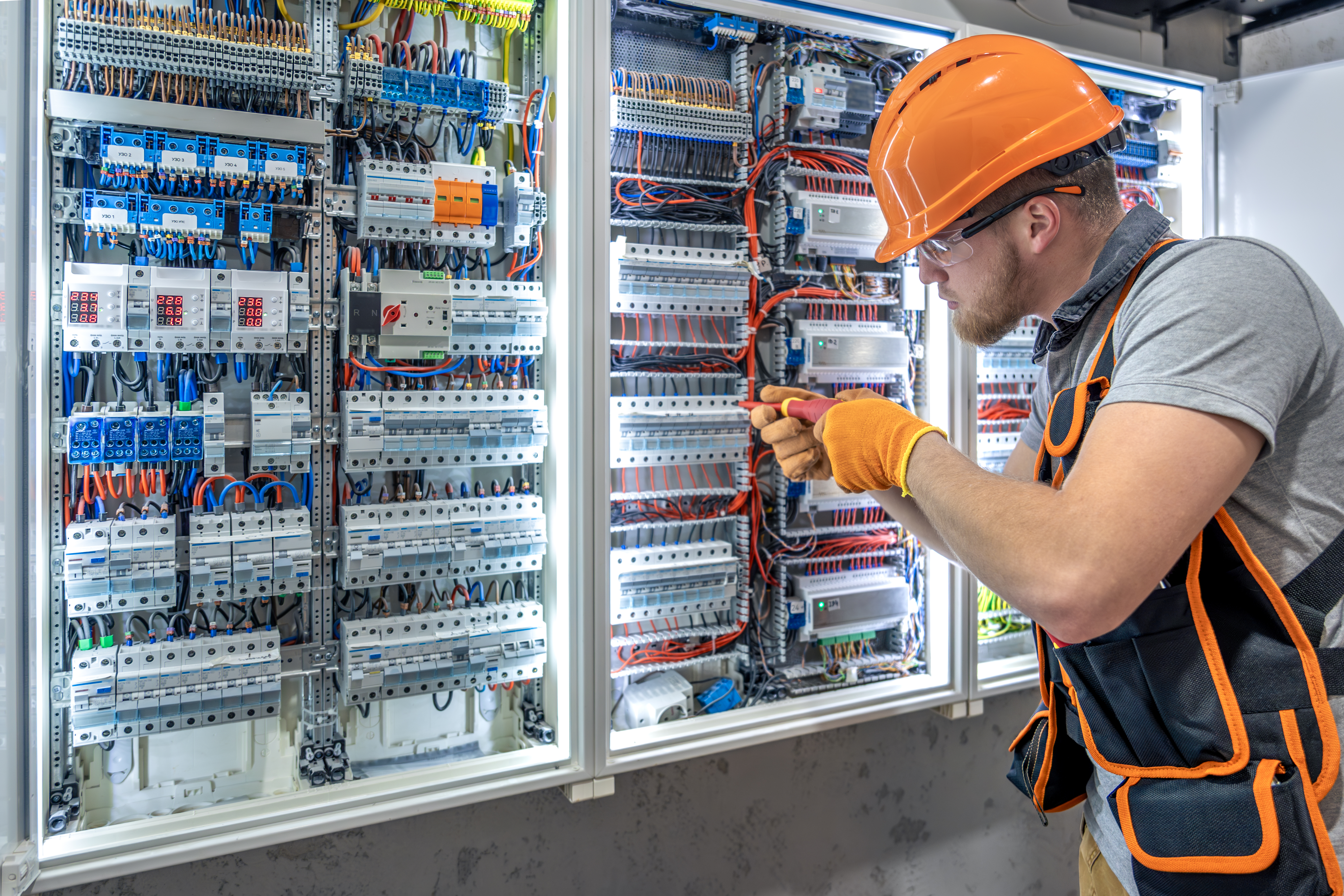
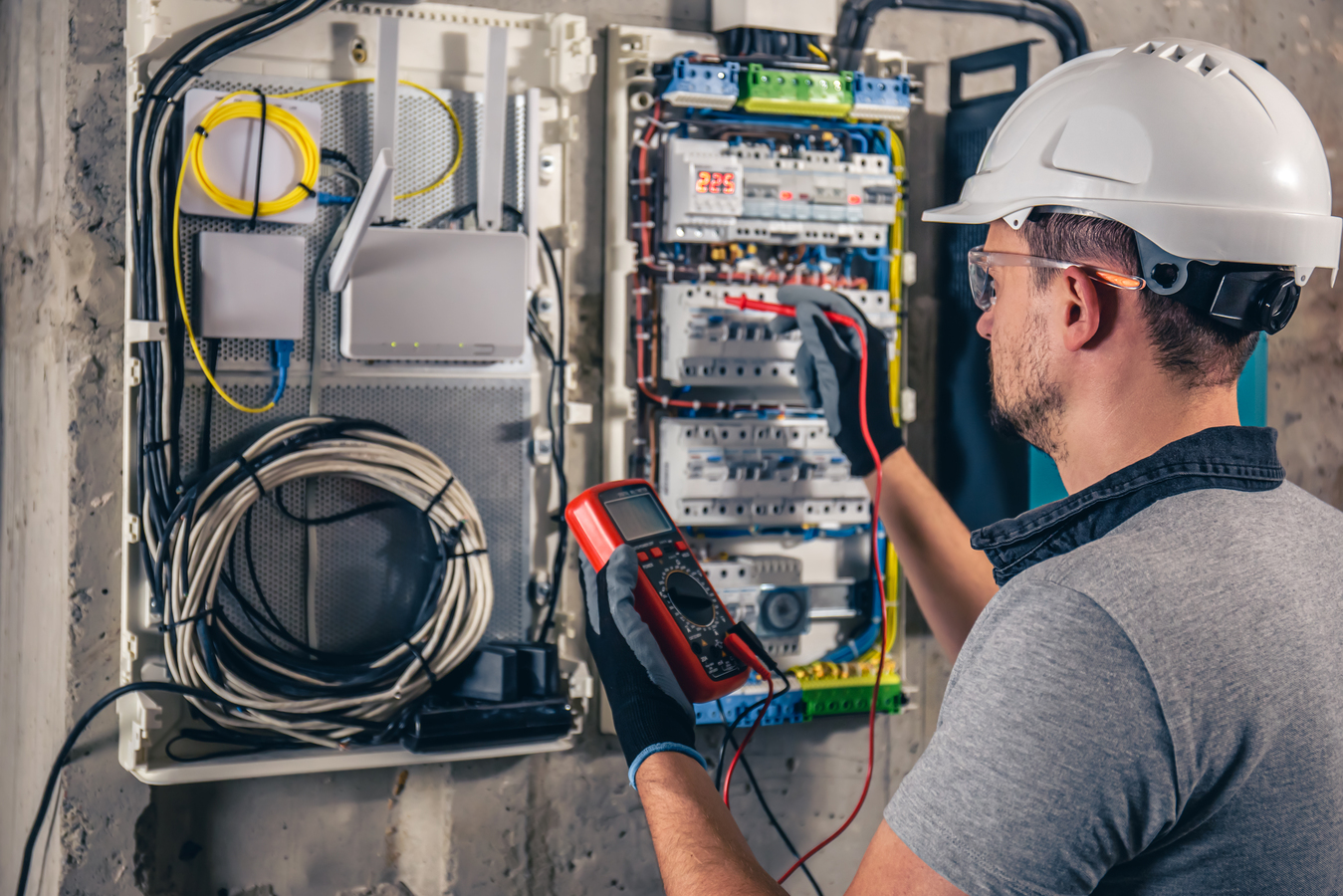
A circuit breaker is a safety device in an electrical system that automatically stops the flow of electricity when it detects a problem, such as an overload or short circuit. It protects your home, appliances, and wiring from damage and helps prevent electrical fires.
Lighting Design & Installation
Lighting Design & Installation is the process of planning, selecting, and professionally installing lighting systems to enhance the functionality, safety, and aesthetics of a space—whether it's a home, office, store, or outdoor area
Energy Efficiency Solutions
Energy Efficiency Solutions are strategies, technologies, and services designed to reduce energy consumption, lower utility bills, and minimize environmental impact—without compromising comfort, performance, or productivity. These solutions help homes, businesses, and industries use energy smarter and more sustainably.
Electrical Inspections & Maintenance
Electrical Inspections & Maintenance are essential services that ensure your electrical systems are operating safely, efficiently, and in compliance with electrical codes. These services help prevent hazards, reduce downtime, and extend the life of your electrical equipment.
Fire Panel Replacement
Fire Panel Replacement refers to the process of removing an outdated or malfunctioning fire alarm control panel (FACP) and installing a new, modern unit to ensure a building’s fire detection and alarm system works safely, accurately, and in compliance with regulations.
What is a Fire Alarm Panel?
- Smoke detectors
- Heat detectors
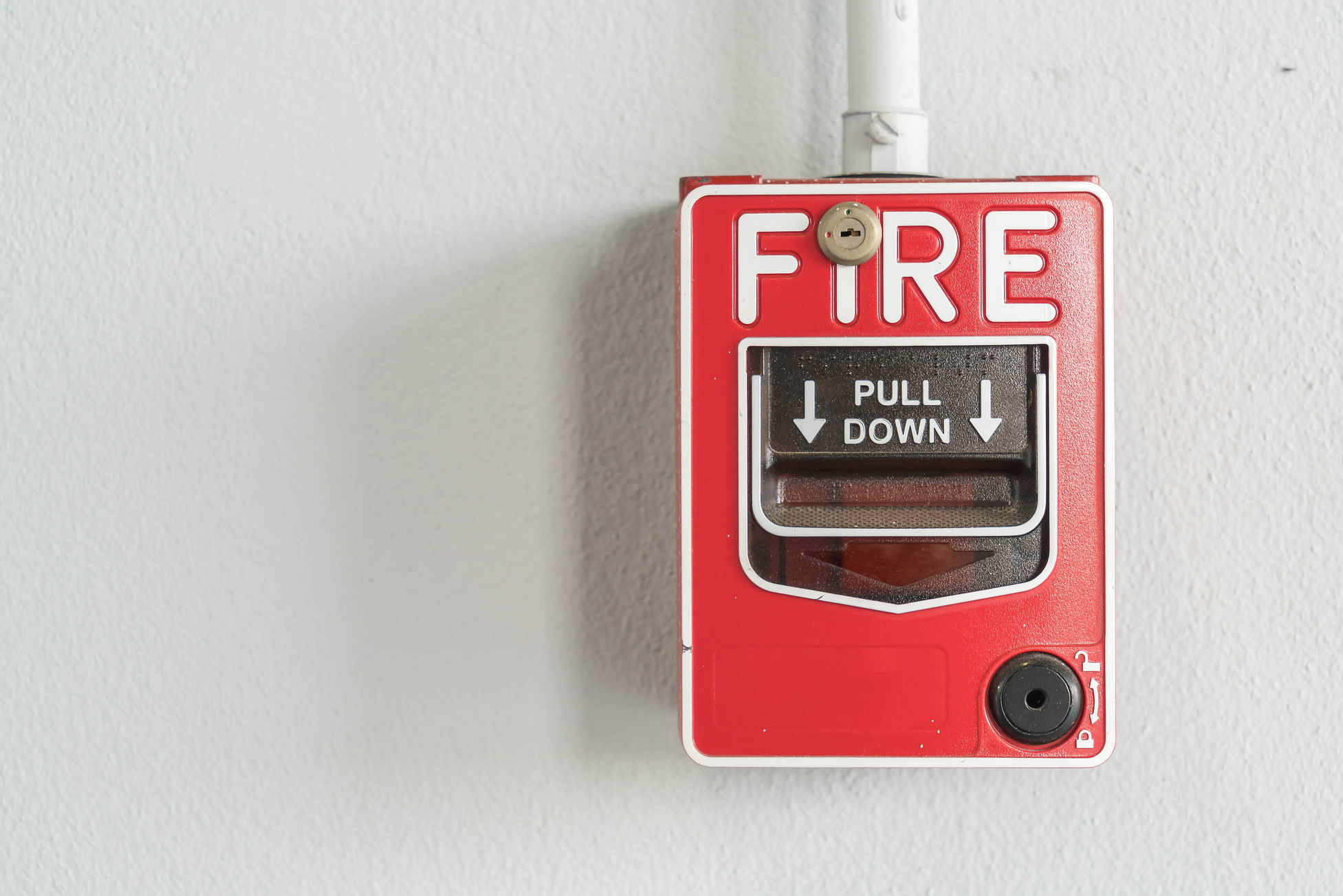
- Manual pull stations
- Sprinkler systems
- Notification devices (sirens, strobes)
Fire Protection and Safety
Fire Protection and Safety refers to the systems, practices, and measures used to prevent fires, detect them early, and protect people and property in the event of a fire. It includes everything from fire prevention planning to emergency response and fire suppression.
Key Components of Fire Protection
- Fire Prevention
- Fire Detection
- Fire Suppression
- Emergency Response & Safety
Fire alarms and detection systems
Fire Alarms and Detection Systems are specialized safety systems designed to detect fires early and alert occupants and emergency responders promptly, helping to prevent injuries, save lives, and reduce property damage.
What Do Fire Alarms and Detection Systems Do?
- Detect signs of fire, such as smoke, heat, or flames
- Trigger audible and visual alarms to warn people inside the building
- Notify monitoring centers or fire departments automatically (in advanced systems)
- Help occupants evacuate safely and quickly
Fire extinguishers
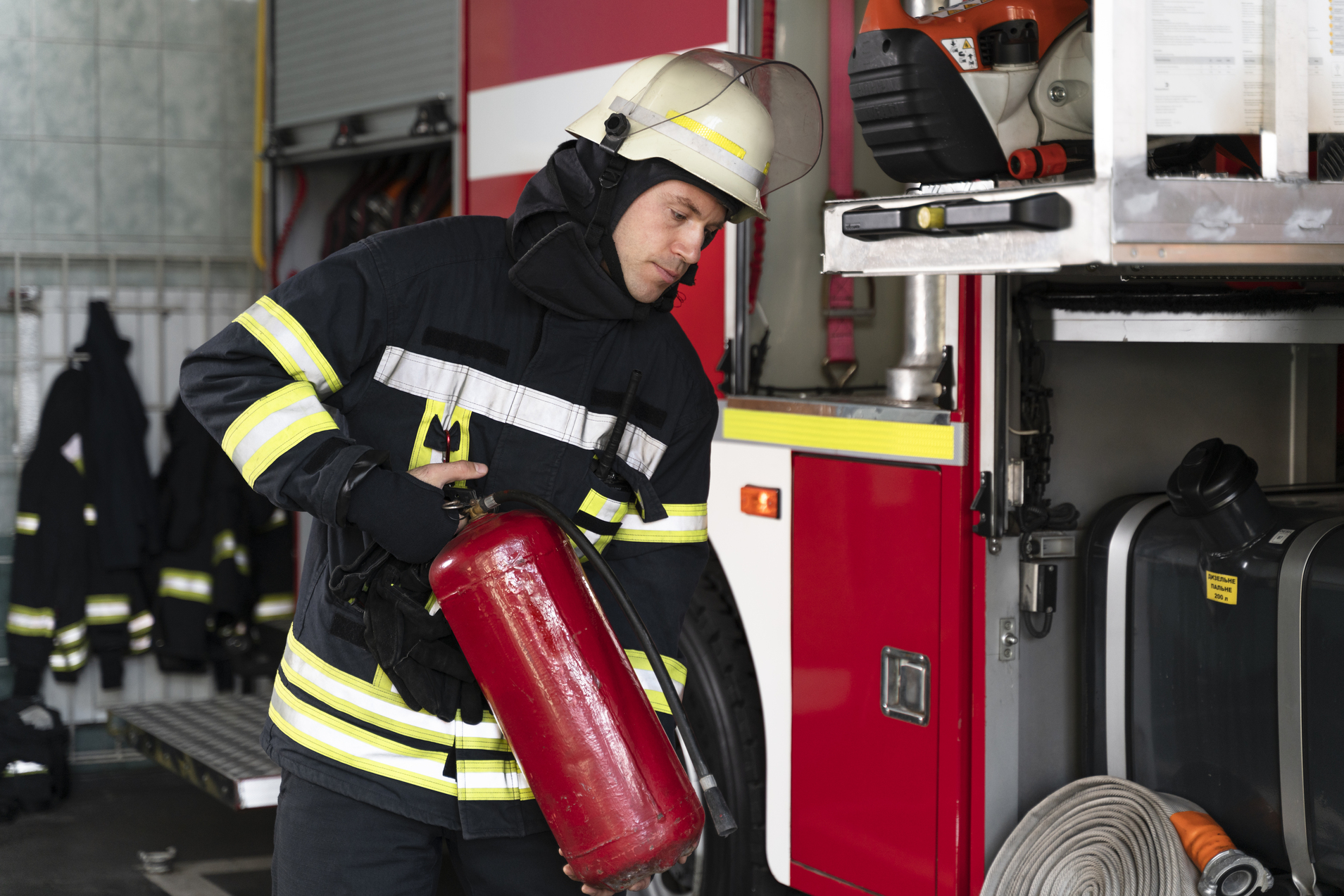
A fire extinguisher is a portable device used to put out or control small fires in emergency situations before they spread and cause major damage. They release substances like water, foam, dry chemicals, carbon dioxide (CO₂), or wet chemicals to cool, smother, or chemically interrupt the fire to stop combustion.
Sprinkler systems
Sprinkler systems are automatic fire suppression systems designed to detect heat from a fire and release water to control or extinguish the flames, helping to protect lives and property. When a fire causes the air temperature to rise, the sprinkler’s heat-sensitive element (like a glass bulb or fusible link) activates.
Emergency / Exit Lighting
Emergency and Exit Lighting are critical safety lighting systems designed to provide illumination during power outages or emergencies to help people safely evacuate buildings. Emergency Lighting Automatically turns on when the main power fails, lighting up hallways, staircases, and other key areas. Exit Lighting Illuminates exit signs and pathways leading to building exits, clearly showing the safest way out.